Recommendations for equipment often come at busy moments: at the end of an appointment, on the day of discharge from hospital, or during a home visit with a lot else to discuss. It is easy to nod, take the leaflet and only discover the questions later. These are the ones people most often wish they had asked.
About the need
- What is this equipment meant to help with, exactly?
- Is it expected to be temporary or long-term?
- Is there anything I should stop doing, or do differently, while I use it?
- What signs would mean it is not working well, or something has changed?
About fit
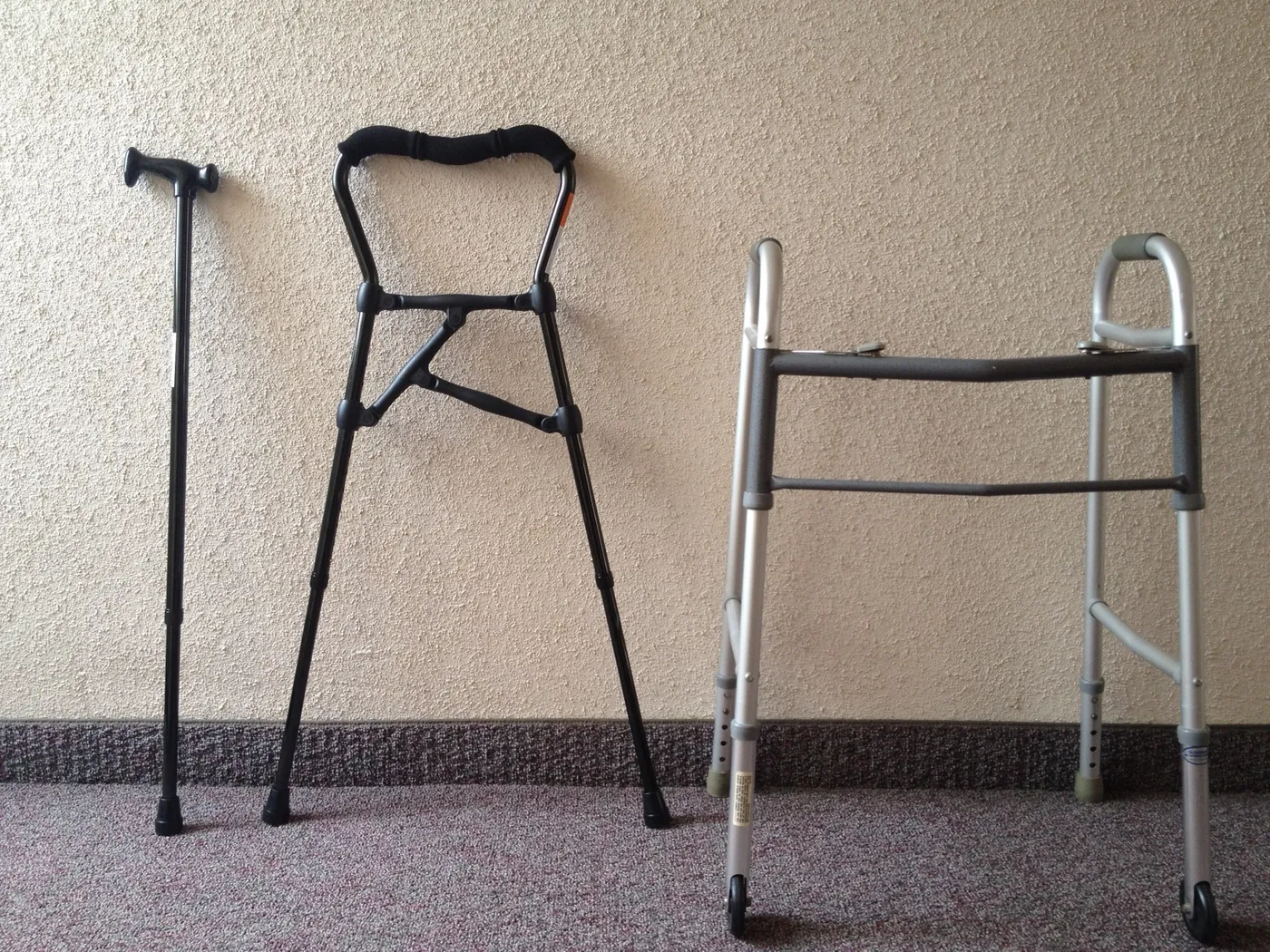
Equipment that does not fit is often worse than none. Ask who will adjust it to the right height or size, and whether you can try it before taking it home. For walkers and canes, ask to be watched while you walk, turn and sit down with it. For bathroom equipment, ask whether the measurements of your own bathroom have been considered.
About getting it
- Who provides it: a hospital, a loan service, a supplier?
- Who delivers and sets it up, and when?
- Is there a cost, or does coverage depend on particular conditions? Your insurer or the service can confirm what applies to you.
- What happens to it when it is no longer needed?
About using it safely
Ask for a demonstration and, where possible, practise while the professional watches. Write down any instructions, or ask for them in writing. For anything with a motor, a sling or a battery, ask about cleaning, servicing and what to do if it stops working. Keep this information with the equipment, or in the household care binder.
About the people around you
If a family member or carer will help, ask whether they can be present for the demonstration. Many injuries happen to helpers, not users. The guides to transfer aids and caregiver basics cover this side of things.
None of these questions is a nuisance. Professionals generally prefer them to the alternative: equipment that sits unused in a corner because nobody was quite sure how to use it.