Autumn is a good moment to look at a home with fresh eyes. The evenings draw in, rugs come back out, and anyone recovering from illness or using a walking aid is about to spend more time indoors. A slow walk through each room, ideally with the person who lives there, turns up most of the small problems that lead to trips and slips.
Entrance
Is there a light that comes on before you reach the door? Is the step edge easy to see? A shelf or hook for keys and bags by the door saves bending and juggling. If the doormat curls at the corners, replace it with one that lies flat and has a rubber backing.
Hall and stairs
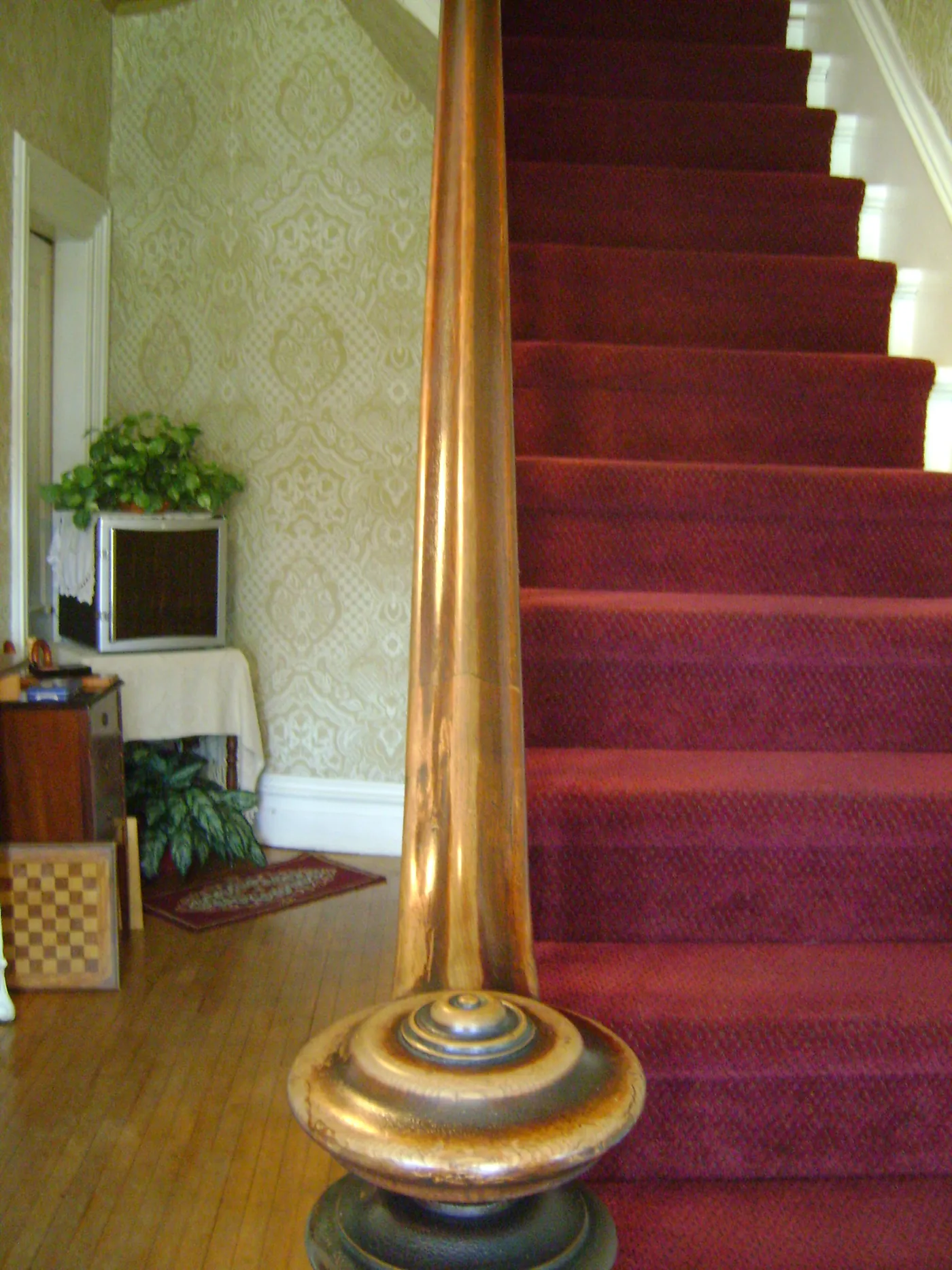
Look for anything left on the floor or on the stairs: shoes, post, a bag waiting to go up. Check that the handrail is firm along its whole length and that there are light switches at both ends. Contrasting tape on the top and bottom steps helps people who struggle to judge depth.
Living room
Trace the route from the favourite chair to the door. Are cables crossing it? Is the chair high and firm enough to stand up from easily? Small side tables at the right height, for a drink, the phone and glasses, cut down on reaching and twisting.
Kitchen
Move the things used every day to between hip and shoulder height. Wipe up spills at once and consider a non-slip mat at the sink. If someone needs to sit while preparing food, a perching stool can help; the daily living aids page describes others.
Bathroom
The most important questions here are whether there is something solid to hold when getting in and out of the bath or shower and when standing up from the toilet, and whether the floor is non-slip when wet. Towel rails are not grab bars. The bathroom safety basics page explains the options.
Bedroom
A lamp that can be reached from bed, a clear path to the door and a night light on the way to the bathroom are simple and effective. Sit on the edge of the bed: are both feet flat on the floor? A bed that is too high or too low makes every morning harder.
What to do with the list
Fix the quick things the same day. For the rest, and especially if anyone in the home has fallen or feels unsteady, ask a doctor, nurse or occupational therapist about a home-safety assessment. A professional will see things a checklist misses. The full guide to preventing falls at home goes further.