Daily living aids
Small, inexpensive tools can restore independence in the tasks people least like asking for help with.
Occupational therapists sometimes call them activities of daily living: dressing, washing, preparing food, eating, picking things up. When arthritis, recovery from surgery, reduced balance or low energy make these tasks hard, a small tool can make the difference between doing it yourself and waiting for help. Most daily living aids are simple, and the trick is matching the right one to the right difficulty.
Reaching and picking up
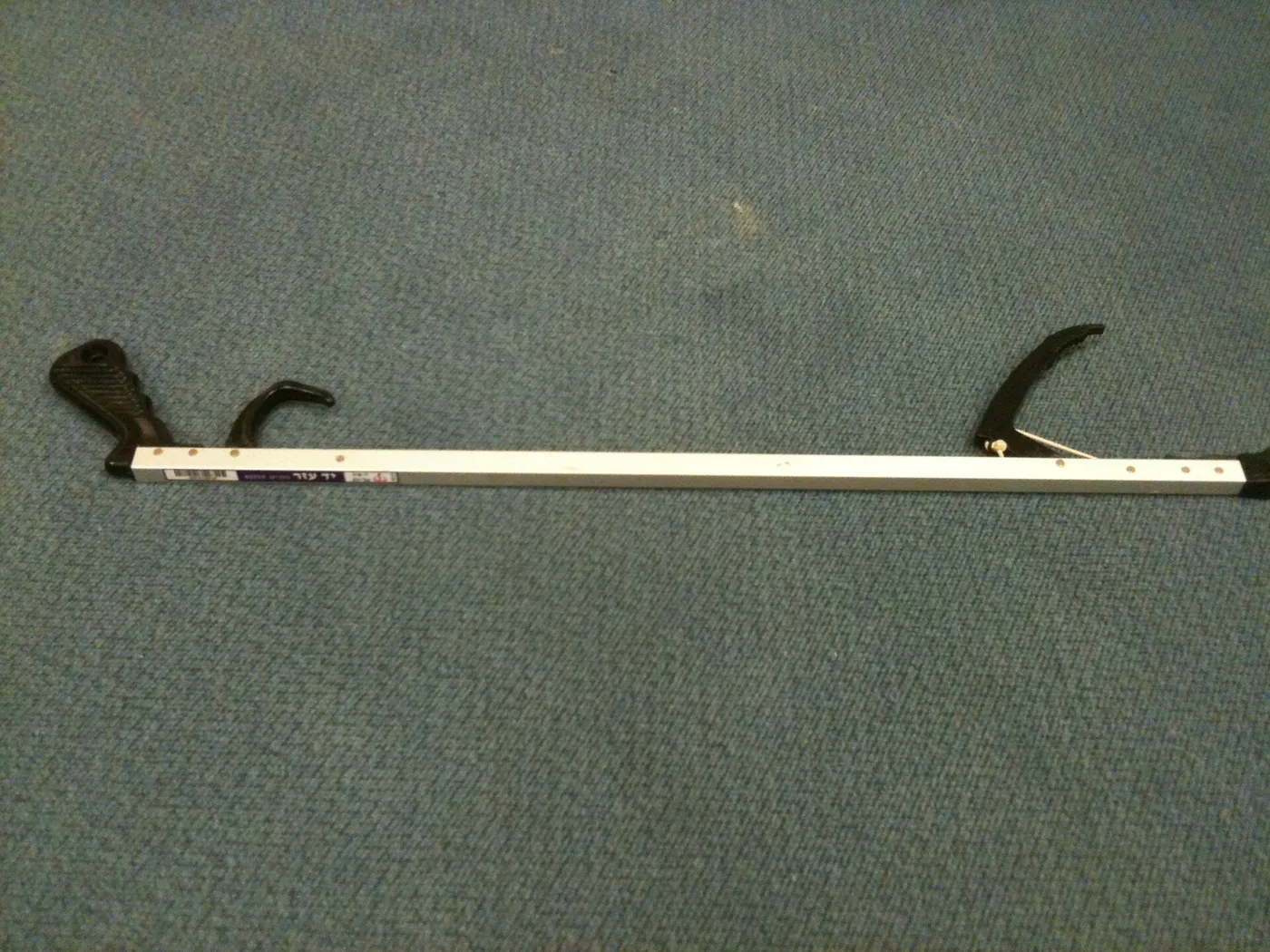
A reacher or grabber extends the arm to pick up dropped items, reach a high shelf or pull clothes from a drawer without bending or stretching. Lighter models are easier to handle; some have a magnet at the tip for keys and cutlery. Reachers are a common recommendation after hip surgery, when bending may need to be limited for a time; follow the specific guidance you are given.
Dressing
- Sock aids help you put socks on without reaching your feet.
- Long-handled shoehorns and elastic laces make shoes easier.
- Button hooks and zip pulls help when fingers are stiff.
- Dressing sticks push and pull garments into place.
Kitchen
Thicker-handled cutlery and utensils are easier to grip. Jar and bottle openers reduce the force needed. Lightweight kettles, kettle tippers, perching stools and non-slip mats under bowls and plates all reduce strain. Moving frequently used items to waist height may help more than any gadget.
Eating and drinking
Plates with a raised rim, cups with two handles or lids, and non-slip mats help people eat independently. If someone has difficulty swallowing, that is a medical issue: ask for a professional assessment rather than changing cups or textures on your own.
Personal care
Long-handled sponges and brushes, toothpaste dispensers and easy-grip nail clippers help with washing and grooming. Toilet aids exist for people with limited reach. Combined with the equipment on the bathroom safety page, they let many people keep their privacy.
Choosing well
Try aids before committing where possible, and introduce one at a time. An occupational therapist can watch how a task is done and suggest exactly the tool that helps, which avoids a drawer full of gadgets that were never quite right.