Bathroom safety basics
Wet floors, hard surfaces and small spaces make the bathroom the room where simple equipment does the most good.
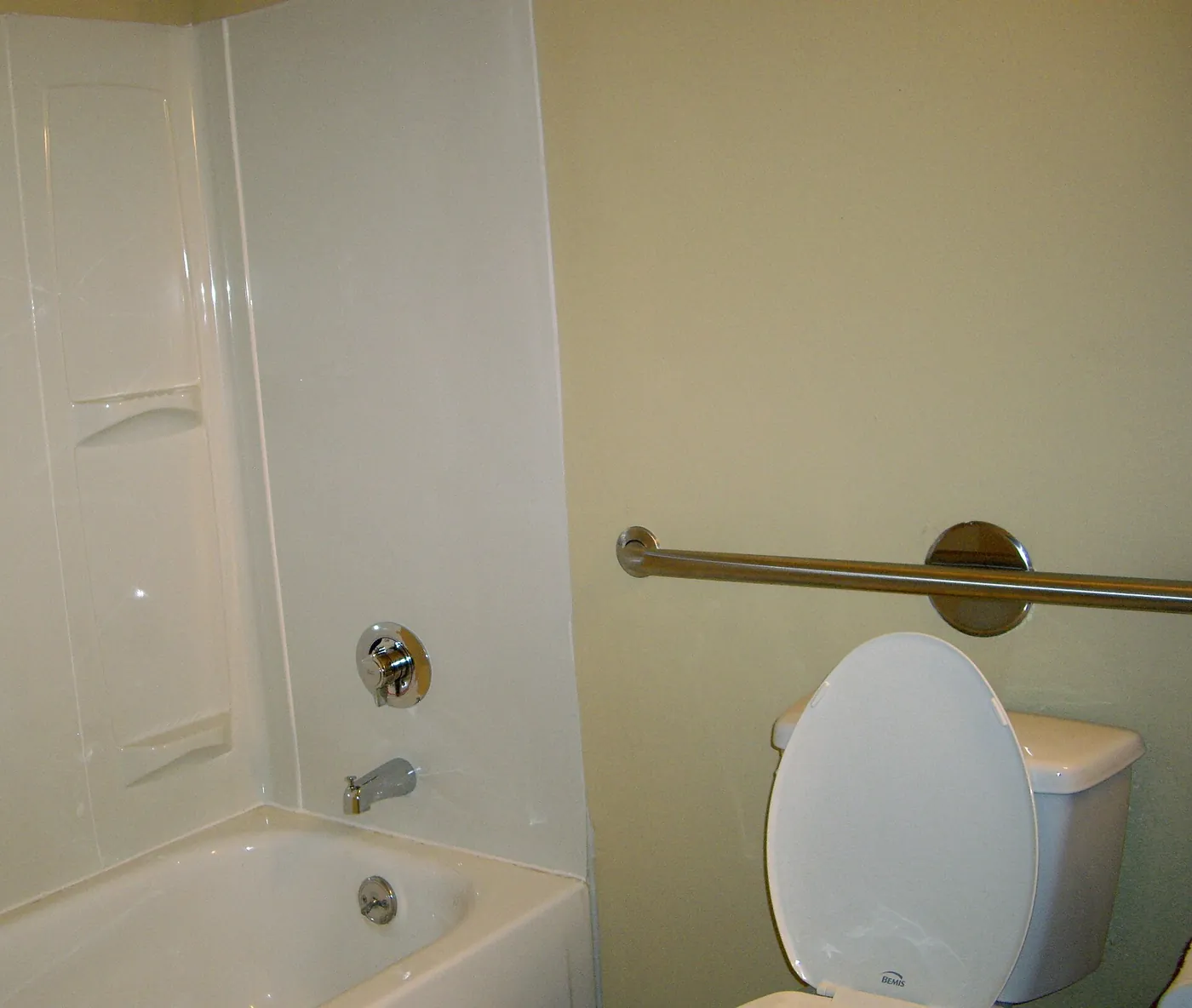
The bathroom combines water, hard edges and a lot of standing up and sitting down, often first thing in the morning or in the middle of the night. It is no surprise that bathroom changes are among the most common home-safety recommendations. The good news is that most of the useful equipment is simple, and the most important step is fitting it properly.
Grab bars
A grab bar is a sturdy rail designed to take a person's weight. It must be fixed into wall framing or with fixings rated for the wall type; towel rails, soap holders and suction-cup handles are not substitutes, because they can pull away exactly when they are needed. Useful positions are often beside the toilet, at the entrance to the shower or bath, and on the long wall of the tub. An occupational therapist can suggest heights and positions that match how the person actually moves.
Shower seats and transfer benches
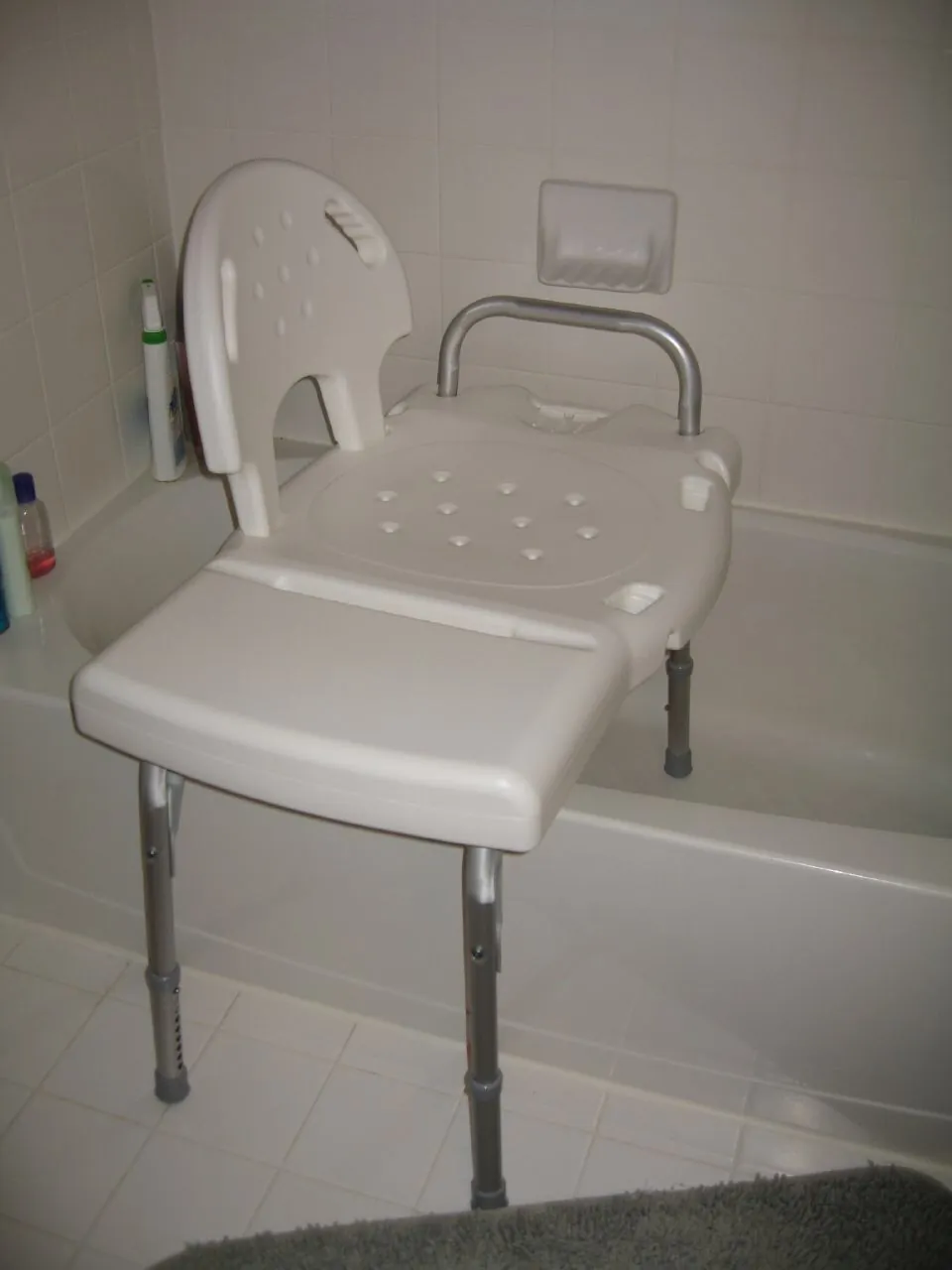
Sitting to wash removes much of the risk of standing on a wet floor. A shower stool or chair sits inside a walk-in shower. A transfer bench straddles the side of a bathtub, so you sit down outside the tub and slide across, rather than stepping over the edge. Check that the feet are adjustable and fitted with rubber tips, and that the seat is level when set up.
Toilet height
Low toilets are hard to rise from. A raised toilet seat adds height and some models include arms; a toilet safety frame adds arms around an existing seat. Fit and stability matter: a raised seat should clamp firmly and not shift when weight moves to one side.
Floors and surfaces
- Use a non-slip mat inside the bath or shower, and a bath mat with a rubber backing outside it.
- Wipe up splashes straight away.
- Keep toiletries within easy reach so nobody has to bend or stretch while standing on a wet surface.
- A hand-held shower head lets people wash while seated.
Light and temperature
A night light on the route to the bathroom helps with night-time trips. Hot water that is too hot is a burn risk for anyone with reduced sensation or slower reactions; a plumber can advise on safe water temperatures for your system.
Getting it fitted
Bathroom equipment is only as safe as its installation. When in doubt, have bars fitted by someone experienced, and ask for a home-safety assessment if one is available to you. See also preventing falls at home.