Handles, switches and lighting
Small fixtures decide how easily a home can be used with stiff hands, low vision or a walking aid.
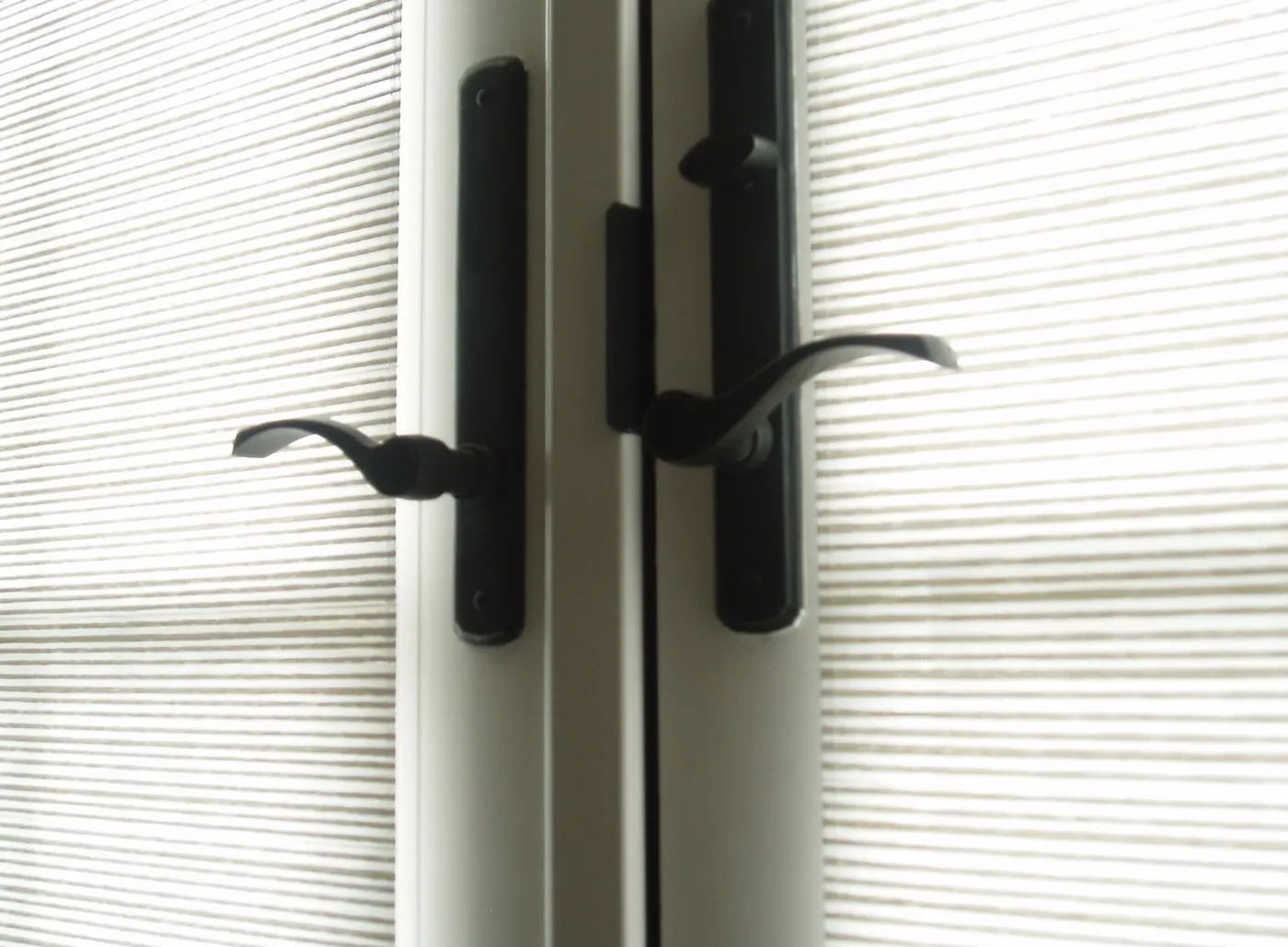
A home can be full of good equipment and still be awkward to live in because of the details: round door knobs that need a firm twist, light switches at the far end of a dark room, taps that are hard to turn. These are among the cheapest things to change and they help everybody in the house, not just the person with a health condition.
Door handles
Round knobs need grip and wrist rotation. Lever handles can be pushed down with the palm, an elbow or a closed hand, which helps people with arthritis or weak grip and anyone carrying something or using a walker. Lever-style taps and mixer controls work on the same principle. Many existing knobs can be swapped for levers on the same door.
Switches and controls
- Large rocker switches are easier than small toggles.
- Switches at both ends of halls and stairs mean no walking in the dark.
- Illuminated switches are easy to find at night.
- Plug-in or battery motion-sensor lights work without any rewiring.
Light levels
As eyes age, they need more light to see detail and take longer to adjust between bright and dark areas. Even, glare-free light is more useful than one very bright bulb. Under-cabinet lights help in kitchens; a lamp by the bed that can be switched on before standing up is one of the simplest fall-prevention steps.
Contrast
For people with low vision, contrast can matter as much as brightness. A dark handrail against a pale wall, a coloured edge on a step, or a light toilet seat against a dark floor makes features easier to find. Tape, paint and inexpensive covers can achieve a lot.
Reach
Think about the height of everything used every day: wardrobe rails, kitchen shelves, the microwave, the thermostat. Moving frequently used items to between hip and shoulder height avoids climbing and deep bending. A reacher helps with the rest.
Where to start
Walk through the home at night with only the lights you would normally use, and again with full hands. Note every moment of hesitation. That list is usually a better plan than any generic checklist.