Preventing falls at home
Most falls at home have more than one cause. The practical steps are simple; the important one is not to ignore a near miss.
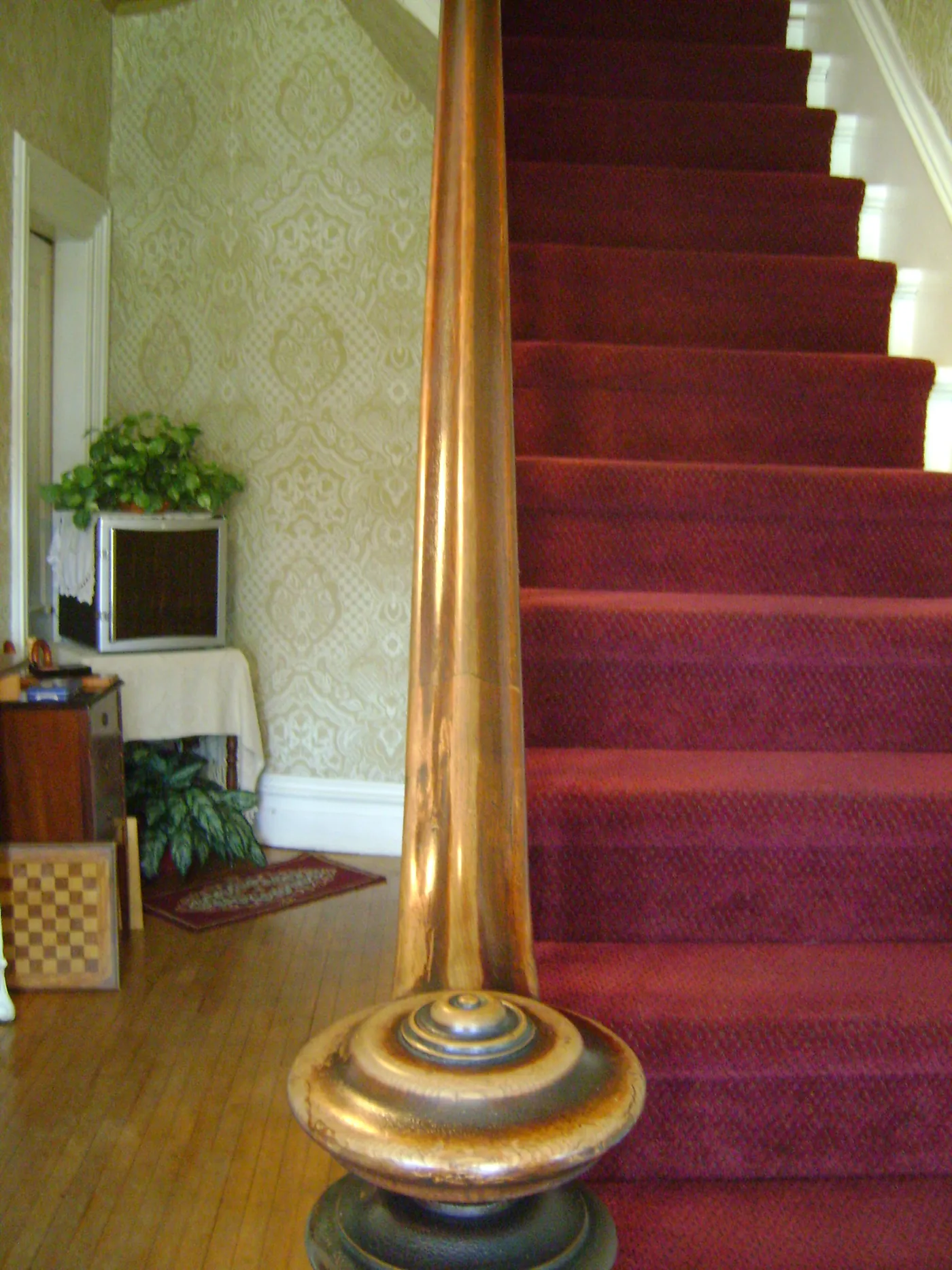
Falls are common, and they are rarely just bad luck. A loose rug, a dim hallway, new glasses, a change in health or medication, rushing to the phone: several small factors usually line up. That is encouraging, because each factor can be worked on. This page focuses on the home; it is not a substitute for a professional fall-risk assessment, which looks at health factors a checklist cannot.
Talk to a professional first
If you or someone you care for has fallen, nearly fallen, or feels unsteady, mention it to a doctor or nurse even if there was no injury. They can review vision, balance, strength, blood pressure on standing, feet and footwear, and whether any medicines could be contributing. Many areas have exercise programmes for strength and balance; ask what is available locally.
Floors
- Remove or firmly secure loose rugs and mats.
- Keep walkways clear of cables, shoes, bags and pet bowls.
- Repair lifting carpet edges and raised thresholds.
- Wipe up spills immediately, especially in the kitchen.
Stairs
Stairs should have a solid handrail, ideally on both sides, running the full length of the flight. Good light at the top and bottom, with switches at both ends, removes a lot of risk. Contrasting tape on step edges helps people who find depth hard to judge. Never leave things on the stairs to be carried up later.
Light
Older eyes need more light and adjust more slowly to the dark. Brighter bulbs, night lights on the route to the bathroom, and a lamp that can be switched on before getting out of bed all help. See handles, switches and lighting.
Footwear and clothing
Well-fitting shoes or slippers with a back and a thin, grippy sole are safer than loose slippers, socks on smooth floors or walking barefoot. Long dressing gowns and trousers that drag are an easy trip hazard.
Plan for a fall
Preventing falls also means planning for one. Keep a phone within reach, or consider a personal alarm that can be worn. Practise, with a therapist's guidance, how to get up from the floor, or how to stay warm and call for help if you cannot. Tell someone your daily routine so a missed call is noticed.